
What to Know About Insurance for Electric Vehicles
Electric vehicles with advanced driver-assistance features are now a common sight on I-64, the Monitor-Merrimac Bridge-Tunnel, and Jefferson Avenue. These vehicles can steer, brake, change lanes, and park with little input. They also change how you should think about your auto insurance.
You Are Still the Driver
Most “self-driving” systems sold to consumers today are driver-assist systems, not fully autonomous vehicles. The manufacturer requires you to stay alert, keep your hands ready, and take over at any moment. If an accident happens while the system is engaged, the claim is generally handled the same way as any other accident, and your liability coverage is what protects you.
That makes your liability limits more important, not less. Many drivers carry only the state minimum. We recommend reviewing your bodily injury and property damage limits, and considering an umbrella policy if you own a home or have significant assets.
Repairs Cost More Than They Used To
A minor fender bender on an EV can turn into a major claim. Bumpers and mirrors now hold radar units, cameras, and sensors that must be replaced and recalibrated after even small impacts. Battery packs are expensive, and some damage requires specialized certified repair shops.
Questions to review with your agent:
- Are your collision and comprehensive deductibles still the right fit for higher repair bills?
- Does your policy include rental reimbursement long enough to cover longer repair times at certified shops?
- If your vehicle is financed or leased, do you have gap coverage?
- Is an original equipment manufacturer (OEM) parts endorsement available for your vehicle?
Flooding and Saltwater Are a Real Risk Here
Tidal and storm flooding are part of life in Hampton Roads. Saltwater can be especially damaging to EV batteries and electrical systems. Flood damage to a vehicle is covered under comprehensive coverage, not collision, so confirm comprehensive is on your policy and know where you will move your vehicle when a storm is forecast.
Your Home Charger Is Part of the Picture
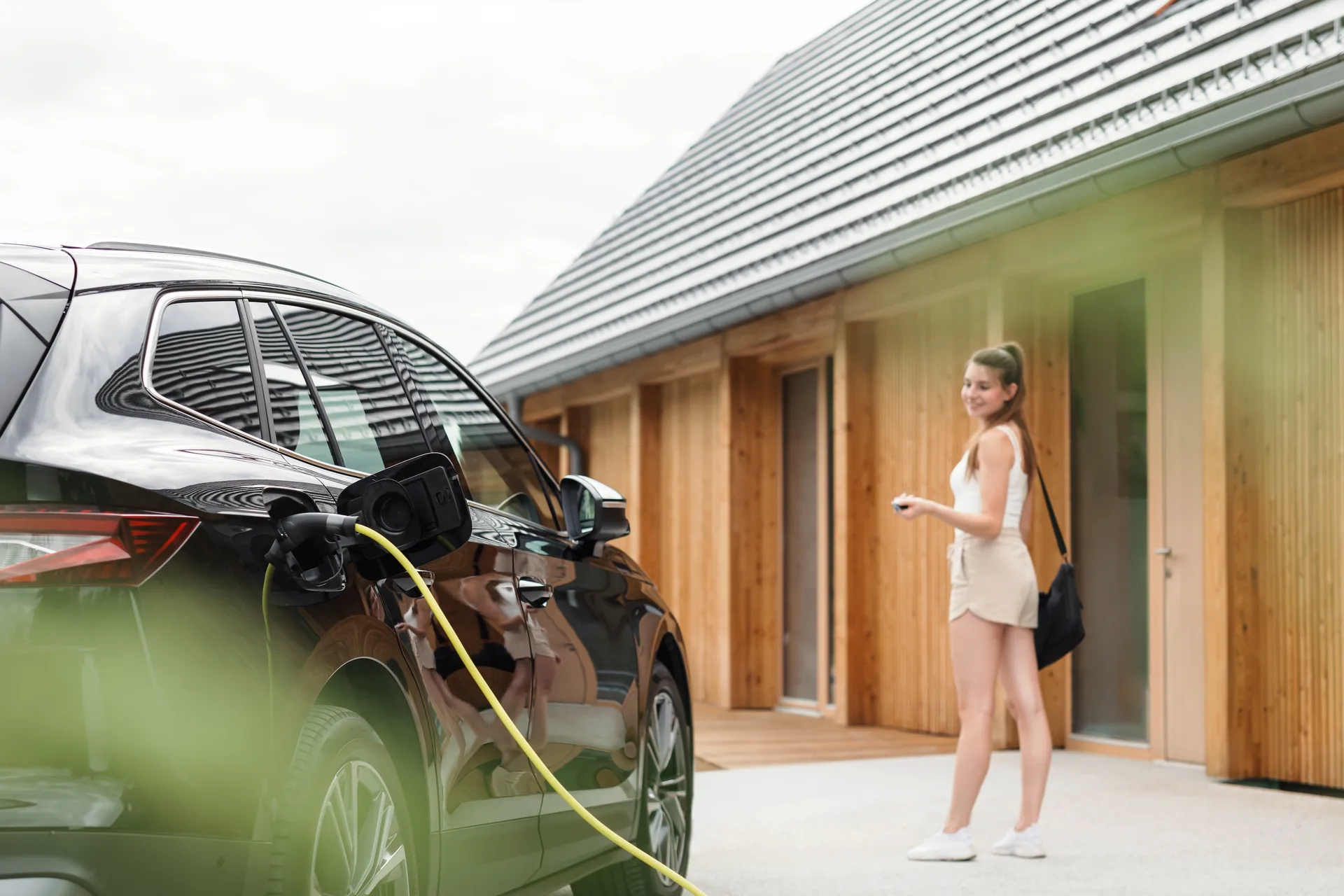
A Level 2 home charging station is usually installed by an electrician and wired into your home. It is typically treated as part of your home rather than your car. Let us know when you install one so we can confirm it is accounted for under your homeowners policy.
What to share with your insurance agent:
- The make, model, and trim, including the driver-assist package installed
- Whether the vehicle is financed, leased, or owned outright
- Whether you installed a home charging station
- Whether the vehicle is ever used for rideshare or delivery work, which typically requires additional coverage
- Who in your household will drive the vehicle
Talk With Us Before You Buy
Insurance costs can vary widely between EV models. A quick call before you sign the purchase agreement can help you avoid surprises. Hampton Roads Insurance & Financial Services has served drivers across the Peninsula and Southside since 1999. Visit us at 11024 Warwick Blvd in Newport News, or call our office at 757-595-9334 for a coverage review.
