
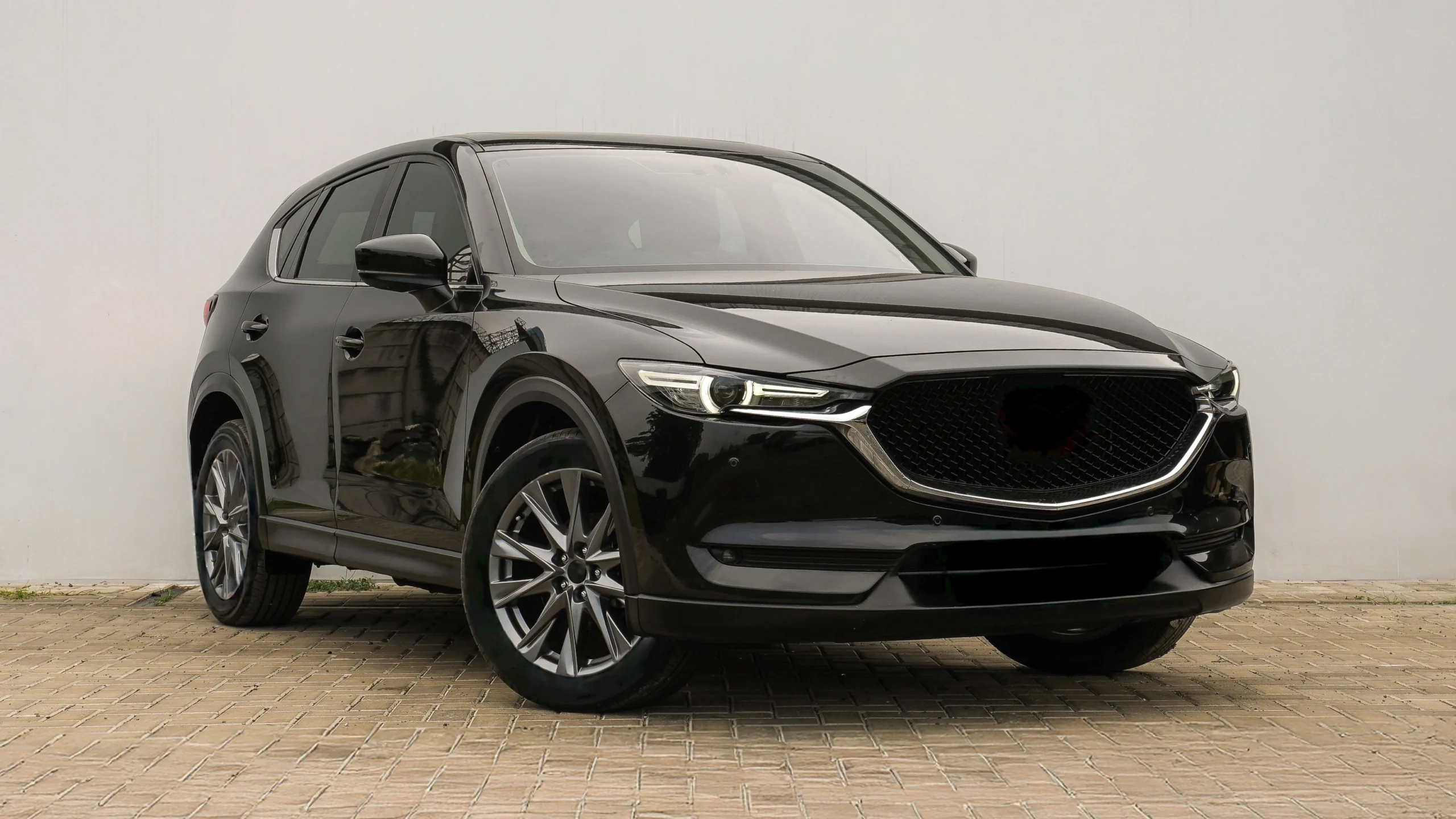
Personal Auto Insurance in Virginia: Coverage Gaps Most Drivers Miss
Most drivers in Newport News, Yorktown, Williamsburg, Virginia Beach, Smithfield, Suffolk, and Norfolk assume that as long as they’re carrying auto insurance, they’re covered — full stop. But “having insurance” and “having the right insurance” are two very different things. Virginia’s minimum requirements are exactly that: minimums. They’re often nowhere near enough to actually protect you, your passengers, or your assets after a serious accident.
Here’s where we most often see gaps when we review a new client’s auto policy — and what to check on yours.
Virginia’s Minimum Requirements Aren’t Real Protection
As of 2026, Virginia requires liability coverage of at least:
- $30,000 per person / $60,000 per accident for bodily injury
- $20,000 for property damage
That might sound reasonable until you consider a single serious injury claim — an ER visit, surgery, and time out of work — can easily exceed $30,000. If you’re found at fault in an accident and your liability limits run out, the injured party can come after your personal assets, including your home, savings, and future wages. This is one of the single biggest reasons we recommend raising liability limits well above the state minimum, especially for homeowners with equity to protect.

Common Gaps We See
1. Uninsured / Underinsured Motorist (UM/UIM) Coverage Too Low or Waived
Virginia has one of the higher rates of uninsured drivers on the road. UM/UIM coverage protects you when the at-fault driver either has no insurance or doesn’t carry enough to cover your damages. Many drivers carry UM/UIM limits that simply mirror their liability limits — or worse, sign a waiver reducing this coverage to save a few dollars a month. Given how common underinsured drivers are locally, this is one of the most important coverages on your policy, not an optional add-on.
2. No Gap Coverage on Newer or Financed Vehicles
If you’re financing or leasing a vehicle, standard auto policies pay out actual cash value after a total loss — not what you still owe the lender. Vehicles depreciate quickly in the first few years, so it’s common for a total loss to leave a gap of several thousand dollars between the insurance payout and the loan balance. Loan/lease gap coverage closes that difference, and it’s inexpensive relative to the exposure it removes.
3. Actual Cash Value vs. Agreed Value on Newer or Specialty Vehicles
For newer, higher-trim, or specialty vehicles, actual cash value settlements can significantly undervalue what it would actually cost to replace the car — especially once depreciation, mileage, and “comparable” used listings are factored in. Some carriers offer new car replacement or agreed value coverage for qualifying vehicles, which removes the depreciation argument entirely at claim time. Worth asking about if your vehicle is newer or higher in value.
4. Rental Reimbursement and Roadside Assistance Left Off
These are two of the most commonly declined coverages because they add a small amount to the premium — but they’re also two of the most commonly regretted omissions after a claim. Rental reimbursement covers a rental car while yours is being repaired after a covered loss; without it, you’re paying out of pocket for a rental during what could be weeks of repair time.
5. Liability Limits Too Low to Support an Umbrella Policy
If you carry (or want) a personal umbrella policy for extra liability protection, most umbrella carriers require your underlying auto liability limits to meet a minimum threshold — often $250,000/$500,000 or $300,000/$300,000 combined single limit. If your auto liability is still sitting near state minimums, your umbrella may not actually respond the way you’d expect in a serious claim. This is a gap we find often, usually because the auto and umbrella policies were never reviewed together.
6. Household Drivers Not Properly Listed
Every regular driver in the household — including a newly licensed teen, a college student, or a live-in family member — generally needs to be listed on the policy. An unlisted regular driver can create coverage disputes at claim time, even if the vehicle itself is properly insured.
A Quick Gap-Check for Virginia Drivers
Are your liability limits above Virginia’s state minimums, and do they align with what an umbrella policy requires?
Is your UM/UIM coverage matched to your liability limits, or was it reduced/waived?
If you’re financing or leasing, do you have gap coverage?
Is your vehicle newer, higher-trim, or low-mileage — and if so, do you have agreed value or new car replacement coverage?
Do you have rental reimbursement and roadside assistance?
Is every regular household driver listed on the policy?
If any of these give you pause, it’s worth a policy review — particularly if it’s been a few years since your auto and home policies were looked at together.

How Hampton Roads Insurance Can Help
As an independent agency, we’re not tied to one carrier’s coverage structure — we compare options across our full carrier lineup to build an auto policy that actually protects your household, not just one that meets the state minimum. We also make sure your auto, home, and umbrella coverage work together, since a gap in one often becomes a gap in all three.
If it’s been a while since your auto policy was reviewed, reach out to our team — we’re happy to run through it with you and point out anywhere you might be exposed.
This article is for informational purposes only and does not modify any insurance policy. Coverage details, limits, and availability vary by carrier and are subject to underwriting. Please refer to your policy documents or speak with a licensed agent for specifics on your policy coverage.